Cancer Prevention
Cancer remains one of the leading causes of death worldwide, claiming nearly 10 million lives each year. Despite decades of research and advancements in treatment, the disease continues to impact millions of people across all demographics. However, the good news is that research consistently shows that diet and lifestyle choices play a significant role in reducing cancer risk. In fact, it is estimated that 30–40% of all cancers may be preventable through diet and lifestyle measures alone.
While there are no guarantees, incorporating certain healthy habits into your daily routine can help minimize exposure to cancer-causing compounds, reduce oxidative stress, and promote overall wellness. Here are 12 practical and evidence-based strategies you can implement to lower your risk of cancer.

1. Avoid Smoking and Vaping
Smoking remains the number one cause of cancer-related deaths, accounting for approximately 25% of all cancer deaths worldwide. Cigarette smoke contains numerous carcinogens, including benzene, formaldehyde, and polycyclic aromatic hydrocarbons (PAHs), which are linked to lung, throat, and several other types of cancer.
While vaping is often marketed as a safer alternative, research suggests that e-cigarettes still expose users to harmful chemicals, including nicotine derivatives and heavy metals, which may increase cancer risk. They are flavored and scented using toxic chemicals that go directly into your lungs when inhaled. Quitting smoking and avoiding vaping can significantly reduce your risk of developing cancer and improve overall health.

2. Minimize Exposure to Plastics
Plastics are increasingly being recognized as a health hazard due to their chemical composition and ability to leach harmful substances into food and water. Two of the most concerning chemicals found in plastics are BPA (bisphenol A) and phthalates, which act as endocrine disruptors and have been linked to hormone-related cancers, such as breast and prostate cancer. To reduce your exposure, avoid reheating food in plastic containers in the microwave and choose BPA-free and phthalate-free personal care products. Avoid storing hot or warm food in plastic containers. The hear causes the chemicals to leach out of the plastic into your food.
Plastic pollution is a growing environmental crisis, with single-use plastics being one of the biggest contributors. While it may seem overwhelming, there are simple steps you can take to reduce plastic waste and make a meaningful impact. By adopting these nine habits, you can help protect the planet and improve your health. Follow these nine simple ways to help you reduce plastic use.
I. Bring Reusable Shopping Bags
One of the easiest ways to reduce plastic waste is to bring your own reusable shopping bags. Many stores still offer plastic bags, and it can be tempting to use them out of convenience. To break the habit, keep a few reusable bags in your car or by your front door so they’re always within reach. There are compact, foldable options that fit in your purse or pocket, making it easier than ever to say, “Neither! I brought my own bags” when asked, “Paper or plastic?”. If you bring your own bags for shopping at Trader Joe’s, you can enter into a weekly drawing to win free groceries. Aldi already gives you low prices as an incentive to bring your own bags. Or, you can purchase them at the register which makes you think twice about bringing your own bags.

II. Reuse Plastic and Paper Bags
Despite your best efforts, you may still end up with some plastic or paper bags. Instead of tossing them, find ways to reuse them. Plastic bags can line trash cans, collect pet waste, or store items. Paper bags are great for collecting recyclables or wrapping packages. By reusing these bags, you extend their life and reduce the need for new ones. If you cannot find a use for your plastic bags, try collecting them and giving them to a neighbor that walks their dog. They will appreciate it especially if they have a large dog!

III. Carry a Refillable Water Bottle
Buying bottled water contributes significantly to plastic waste. Investing in a reusable water bottle made from stainless steel or glass is a healthier and more sustainable choice. Refillable bottles help you stay hydrated without the environmental impact of disposable plastic. Consider adding a home water filter to ensure you always have access to clean water on the go. This subject will be discussed further down in the blog.

IV. Store Food in Glass Jars and Containers
Plastic containers can leach harmful chemicals into your food, especially when heated. Switch to glass jars and containers for storing leftovers, pantry staples, and homemade meals. Reuse jars from store-bought sauces, nut butters, or pickles. Glass containers are durable, see-through, and keep your fridge organized. For travel, stainless steel containers are lightweight and break-resistant. Plus, the glass containers look so nice and organized when they are in your pantry. You do not have to go hunting for your favorite foods since you can look right through the glass.
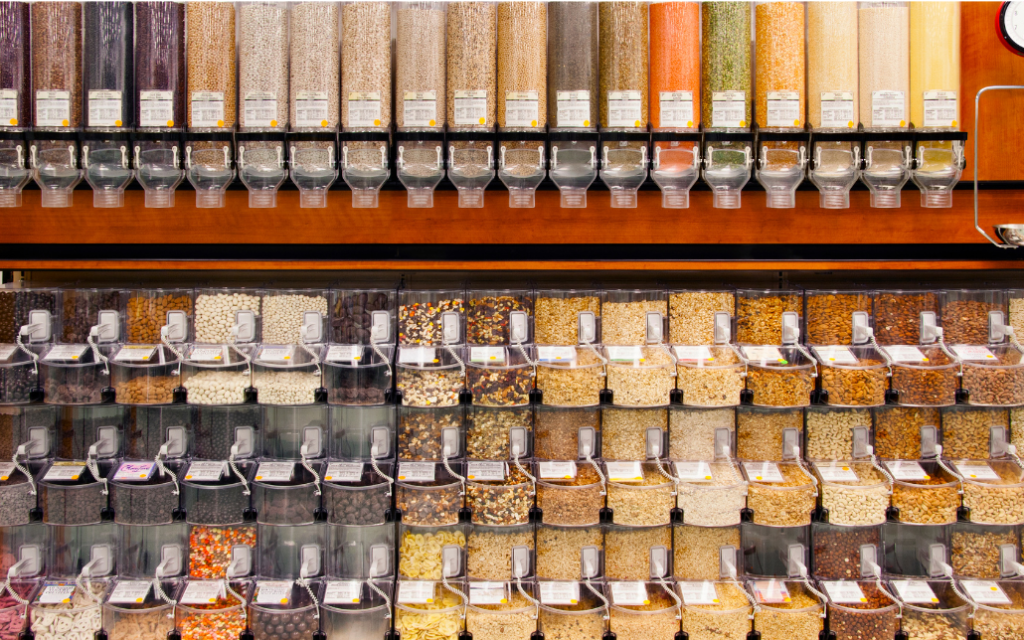
V. Buy in Bulk
Purchasing items in bulk reduces packaging waste and often saves you money. Bring your own containers or reusable bags to the store’s bulk section for grains, nuts, spices, and dried fruits. Many stores allow you to weigh containers beforehand, so you only pay for the contents. This practice cuts down on single-use plastic packaging while supporting a more sustainable shopping routine. I like shopping this way as you can try a little of everything without buying a large quantity.

VI. Use Stainless Steel Straws or Skip Them
Plastic straws are among the top pollutants found in oceans and waterways. If you enjoy drinking through a straw, consider buying reusable stainless steel, silicone, or bamboo options. They are easy to clean, often come with a carrying case, and can last for years. Better yet, skip the straw altogether unless you need it for health reasons. Norwex carries reusable straws and utensils which can help decrease landfills. Shop with me here: https://www.norwex.com/search?q=straw&s=katherinekovich&store=us
VII. Carry Your Own Utensils
Single-use plastic cutlery is convenient but wasteful. A portable utensil set made from bamboo or stainless steel is a simple solution. These sets are compact and can be kept in your bag, lunchbox, or glove compartment. Using your own utensils when eating carryout food or at work can significantly cut down on plastic waste. Norwex offers attractive solutions for reusable utensils. Shop with me here: https://www.norwex.com/search?q=straw&s=katherinekovich&store=us
VIII. Limit Fast Food and Takeout
Fast food often comes with excessive packaging, much of it plastic. Preparing meals at home is not only healthier but also helps reduce waste. When dining out or ordering takeout, bring your own reusable container for leftovers. Many restaurants are supportive of customers wanting to reduce waste. Better yet, cook at home so you know that you are getting quality ingredients. Most restaurants use a poor quality of processed oils which are refined cooking oils due to their efficiency and lower cost. Refined oils are often extracted using heat and chemical solvents, which can remove nutrients and leave behind harmful byproducts. Many of these oils are highly inflammatory to your system. It’s not worth the health risk of taking food to go and you can also cut down on plastic waste.

IX. Small Choices, Big Impact
Understanding the broader impact of plastic pollution motivates lasting change. Reducing plastic use doesn’t have to be complicated. Start with one or two changes and gradually incorporate more. These simple steps not only protect the environment but also promote a healthier lifestyle. Every choice you make contributes to a cleaner, greener future. Your efforts matter—for you, your community, and the planet.
Norwex is a company committed to helping you create a cleaner, safer, and healthier home while also caring for the planet. By using Norwex products, you can effectively reduce your exposure to harmful toxins, which may help lower your risk of cancer and improve your overall well-being. This is why I endorse their products and use them everyday. Shop with me here at https://www.norwex.com/katherinekovich
3. Avoid Processed Foods and Meats

Ultra-processed foods often contain artificial additives, preservatives, and harmful fats that have been linked to an increased risk of cancer. Processed meats, such as bacon, sausages, and hot dogs, contain nitrates and nitrites that can form carcinogenic compounds when consumed.
Studies have shown that processed meat consumption is associated with increased risks of colorectal, breast, and lung cancer. Instead, opt for whole, minimally processed foods like fruits, vegetables, whole grains, and plant-based proteins. If you have to have your favorite meat, at least do not cook it over charcoal as this is a known carcinogen.
4. Filter Your Drinking Water
Contaminants such as arsenic, lead, and PFAS (per- and polyfluoroalkyl substances) are commonly found in tap water and have been linked to various cancers. A high-quality water filtration system can help remove these harmful substances, providing cleaner and safer drinking water for you and your family. Consider using activated carbon filters, reverse osmosis systems, or gravity-fed filters to reduce exposure to potential carcinogens. Many refrigerators come with a high quality filter which needs to be changed every 6 months.

5. Improve Indoor Air Quality
Air pollution is a major contributor to lung cancer, and poor indoor air quality can exacerbate this risk. Gas stoves, household cleaning products, and off-gassing from furniture can all introduce volatile organic compounds (VOCs) and other harmful pollutants into your home.
To improve air quality:
- Use HEPA air purifiers.
- Ventilate your home regularly.
- Choose non-toxic cleaning products or clean with just water and Norwex Microfiber.
- Test for radon, a radioactive gas that can increase lung cancer risk.
- Add live plants to your indoor space to help clean your air.

6. Manage Stress Effectively
Chronic stress triggers inflammation and weakens the immune system, which can contribute to cancer growth and progression. Research suggests that stress management techniques can help reduce the risk of cancer and improve overall well-being.
Consider incorporating:
- Mindfulness and meditation
- Regular physical activity
- Spending time in nature
- Deep breathing exercises
- Yoga upon waking or before bed

7. Use Natural Sunscreen
Skin cancer is one of the most common cancers worldwide, with excessive UV exposure being a major risk factor. While sunscreen helps protect the skin, many commercial sunscreens contain chemicals like oxybenzone, which has been linked to hormone disruption and potential carcinogenic effects.
Choose natural, mineral-based sunscreens that use zinc oxide or titanium dioxide for protection. Additionally, wearing protective clothing and seeking shade during peak sun hours can further reduce risk. Many athletic wear manufacturers include UPF 50 in their line. This will protect you from the UV rays of the sun. DoTerra has a high quality line of sun care products that are natural and mineral based. You can shop with me here: https://referral.doterra.me/4598480. Look for the Sun Care section to explore all the available products.

8. Wash Produce to Remove Pesticides
Pesticide residues on conventionally grown fruits and vegetables have been linked to an increased risk of cancer. While choosing organic produce can reduce exposure, washing conventional produce thoroughly can help remove some pesticide residues. A simple wash using water and baking soda can be effective in reducing pesticide residues on fresh produce. Or, you can soak your produce in vinegar and water for 15 minutes, scrub the skins, and rinse thoroughly. Norwex has a wonderful veggie and fruit scrub cloth to clean the surfaces, and a fresh produce wash to help you deep clean your fruit and vegetables. Shop with me here: https://www.norwex.com/search?q=fruit&s=katherinekovich&store=us

9. Choose Non-Toxic Cookware
Nonstick cookware often contains perfluorinated chemicals (PFOA and PFAS), which have been linked to cancer and other health problems. Instead, opt for safer alternatives such as cast iron, stainless steel, or ceramic cookware. Remember not to use ceramic cookware on high heat. It only tolerates medium to low heat or the inner cooking surface will be damaged.

10. Limit Alcohol Consumption
Alcohol is classified as a Group 1 carcinogen by the World Health Organization. Even moderate alcohol consumption has been linked to increased risks of liver, breast, and colorectal cancer. If you choose to drink, do so in moderation, or consider non-alcoholic alternatives such as herbal teas, kombucha, or infused water. If you have to have your favorite alcoholic beverage, try having a glass of water along side of the drink. This way you can alternate between both beverages and it will last twice as long. Although red wine has many health benefits, more than I glass a day will cancel out many of those health benefits.
11. Get Regular Cancer Screenings

Early detection can significantly improve survival rates for many types of cancer. Routine screenings such as mammograms, colonoscopies, Pap smears, and PSA tests can help identify cancer at an early stage when it is most treatable. Talk to your healthcare provider about which screenings are appropriate for you based on your age, family history, and personal risk factors. Taking a proactive approach to cancer detection significantly improves your chances of a positive outcome, rather than waiting until the disease has advanced.

12. Eat Cancer-Fighting Foods
A diet rich in whole, plant-based food provides essential nutrients and antioxidants that help combat oxidative stress and reduce inflammation. Some of the best cancer-fighting foods include:
- Leafy greens (kale, spinach)
- Berries (blueberries, raspberries)
- Cruciferous vegetables (broccoli, cauliflower)
- Garlic and onions
- Turmeric and ginger
- Nuts and seeds
Adding more of these foods to your diet everyday can help support your body’s natural defenses against cancer, plus they are delicious!

Take Control of Your Health
While no single strategy guarantees complete immunity from cancer, adopting these 12 evidence-based lifestyle and dietary habits can significantly lower your risk. From avoiding harmful chemicals and processed foods to incorporating stress reduction techniques and eating cancer-fighting foods, these steps can contribute to a healthier, more vibrant life.
What’s one thing you can start implementing today to reduce your cancer risk? Let us know in the comments!