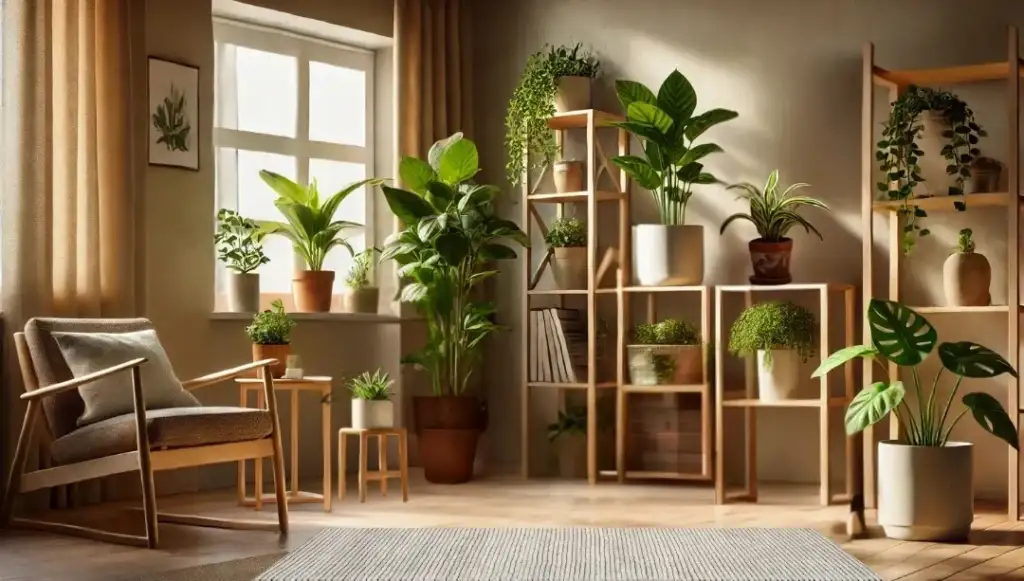
Household Plants Eliminate Toxins
Did you know that two 6 inch houseplants absorb 70% of the toxins in your house like formaldehyde? It is present in your furniture, paint, carpets, and household chemical cleaning products.
In our quest for healthier living, we often focus on our diets, exercise routines, and mental well-being. However, our home environments — the air we breathe daily — can be equally significant. With increasing awareness about indoor air quality, houseplants have emerged as a natural solution to reduce toxins, purify the air, and bring the calming presence of greenery into our homes. This article explores how houseplants eliminate toxins from our environment, which plants are the most effective, and how they transform not only the air but also our mental and physical health.

How Houseplants Purify Indoor Air
Indoor air can often be more polluted than outdoor air, as our homes accumulate harmful chemicals from various sources, including cleaning products, synthetic building materials, and even furniture. These pollutants, known as volatile organic compounds (VOCs), include chemicals like formaldehyde, benzene, and trichloroethylene, all of which can contribute to various health issues, including respiratory problems, skin irritation, and more severe conditions if exposed long-term.
Houseplants, through a process known as phytoremediation, absorb and neutralize these toxic pollutants. Phytoremediation is the process by which plants and their associated microorganisms (like fungi and bacteria living in the soil) remove contaminants from the environment. Here’s how they work:
1. Absorption through Leaves and Roots: Plants take in toxic substances from the air through small openings in their leaves known as stomata. Once inside the plant, these toxins are either stored in the plant tissues, broken down into non-toxic substances, or metabolized by microorganisms in the soil.
2. Microorganisms in Soil: The roots of houseplants work closely with the microorganisms in the soil to break down and neutralize toxins. These microorganisms metabolize pollutants, using them as a food source, thus helping to further purify the air.
3. Oxygen Release and Humidity Control: In addition to removing toxins, plants also release oxygen and increase humidity levels. Higher humidity can reduce respiratory discomfort and prevent certain viruses from thriving, especially in dry indoor environments.

Research Supporting Houseplants as Air Purifiers
The air-purifying abilities of houseplants were famously researched in a 1989 NASA Clean Air Study, which investigated the best ways to filter air for space stations. The study concluded that specific plants are highly effective at reducing indoor pollutants and improving overall air quality. However, it’s worth noting that these effects are typically more significant in enclosed environments with limited air circulation, like a small, sealed room, which is why they were so applicable in the NASA study. In larger, open rooms, houseplants still contribute to air quality improvement but to a lesser degree.
NASA’s study brought attention to several houseplants that are particularly adept at removing toxins. Some of these powerhouse plants include:
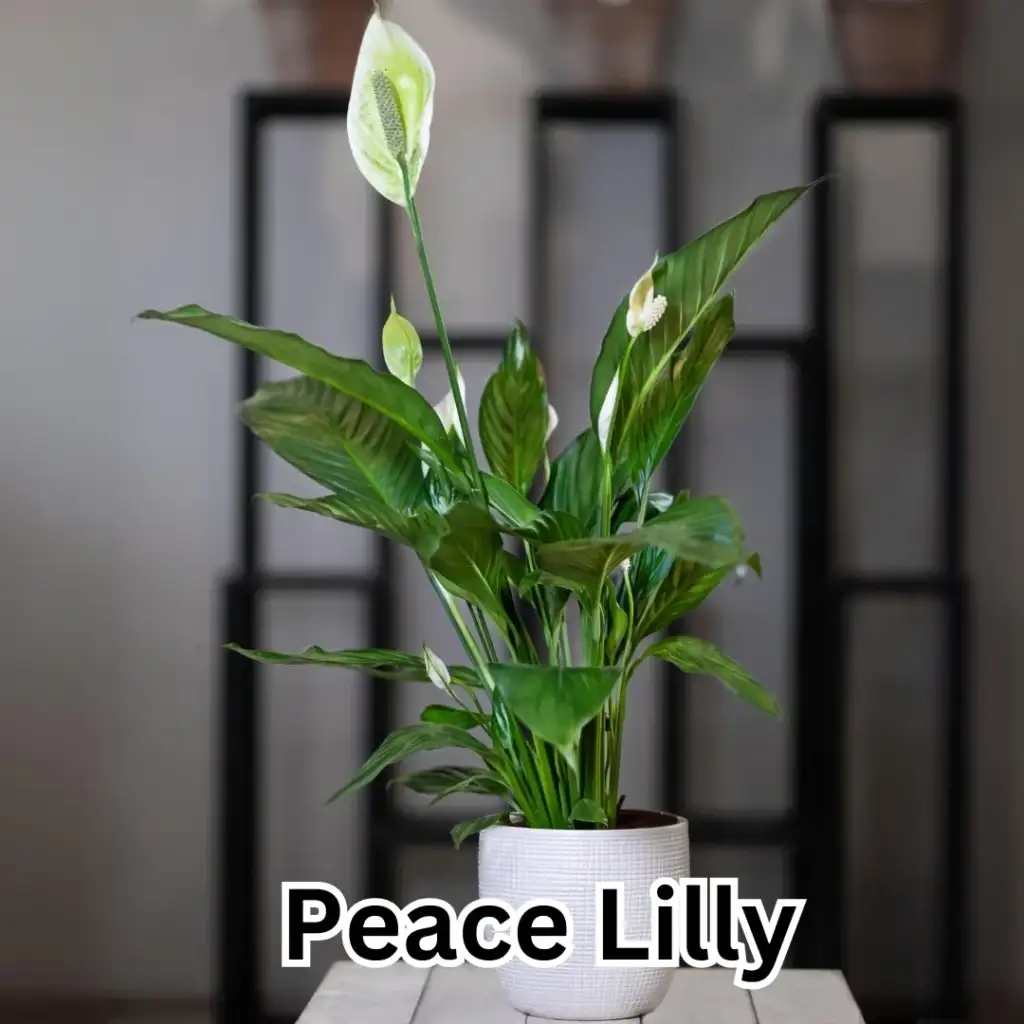
- Peace Lily (Spathiphyllum): Effective in removing benzene, formaldehyde, and trichloroethylene.
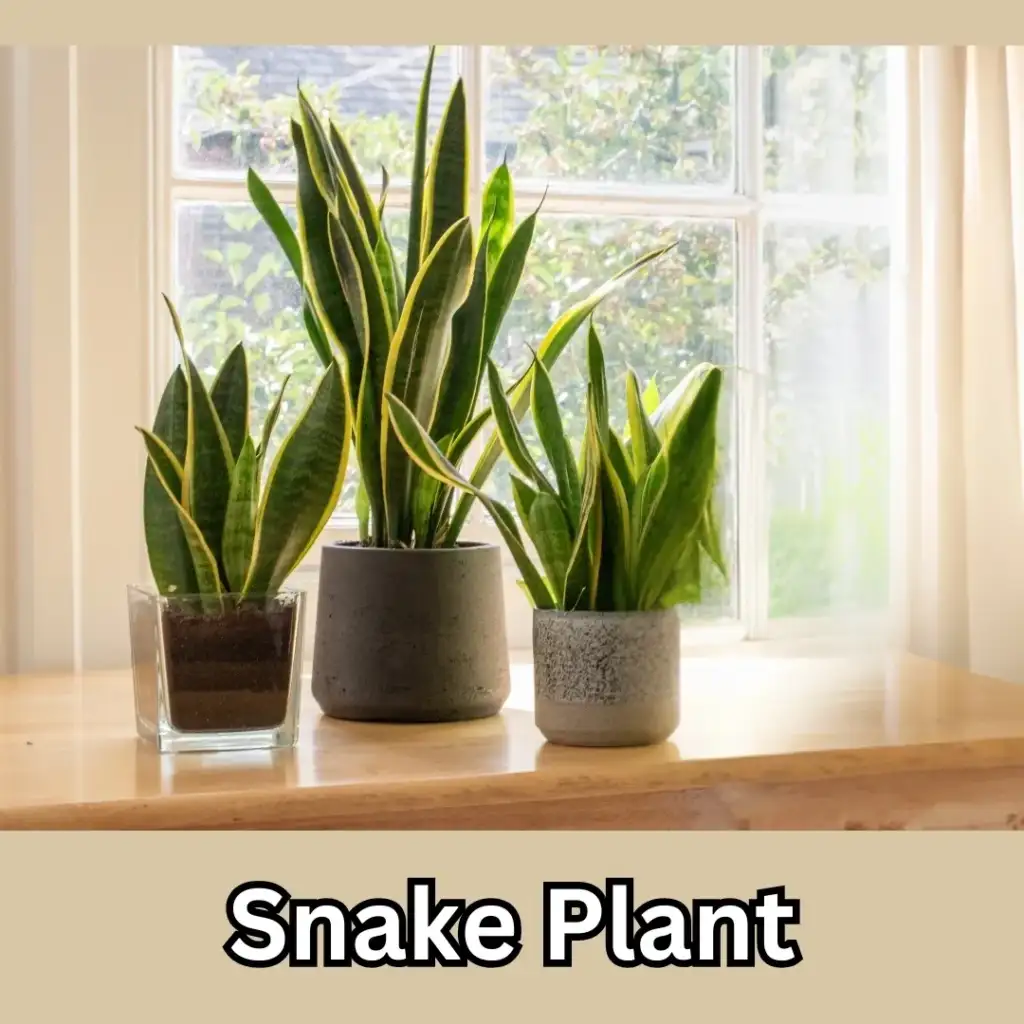
- Snake Plant (Sansevieria): Known for its ability to absorb carbon dioxide and release oxygen even at night, making it a good choice for bedrooms.
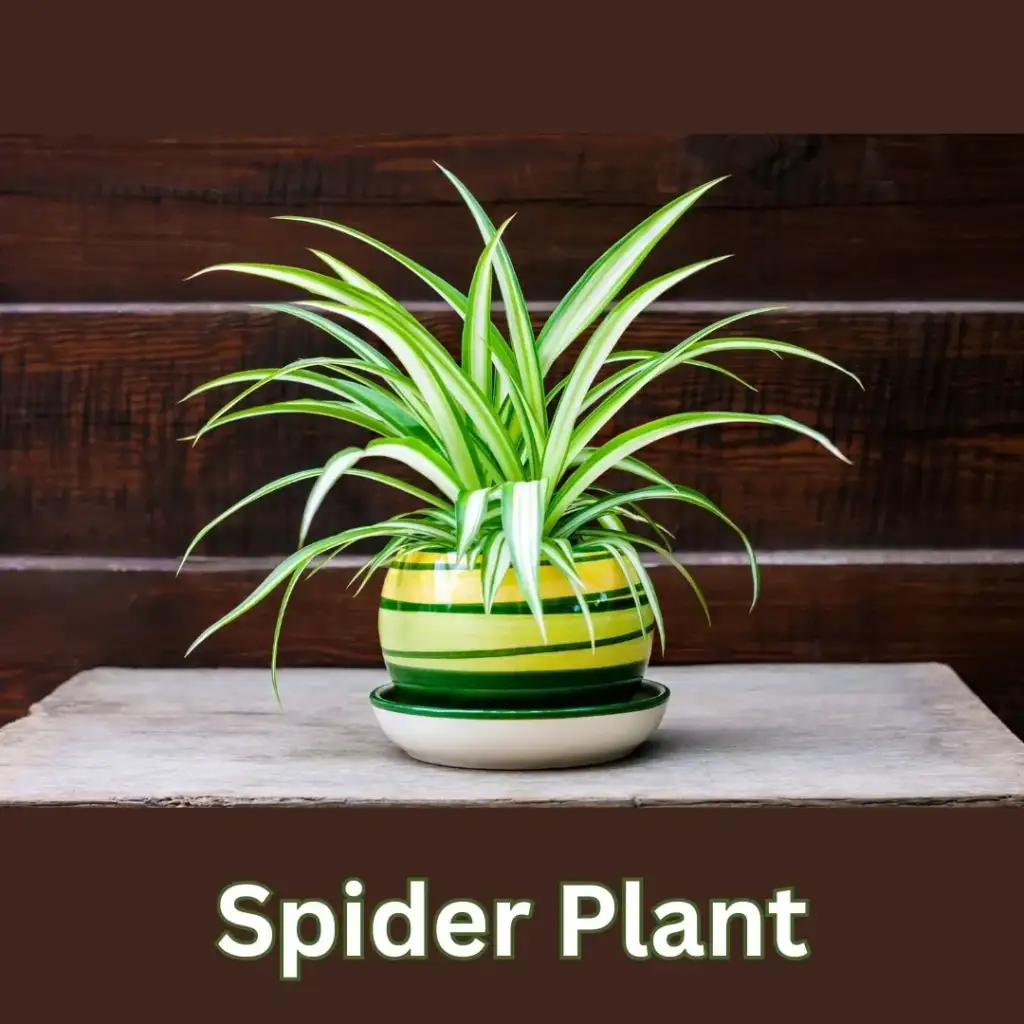
- Spider Plant (Chlorophytum comosum): Removes formaldehyde and xylene, commonly found in homes.
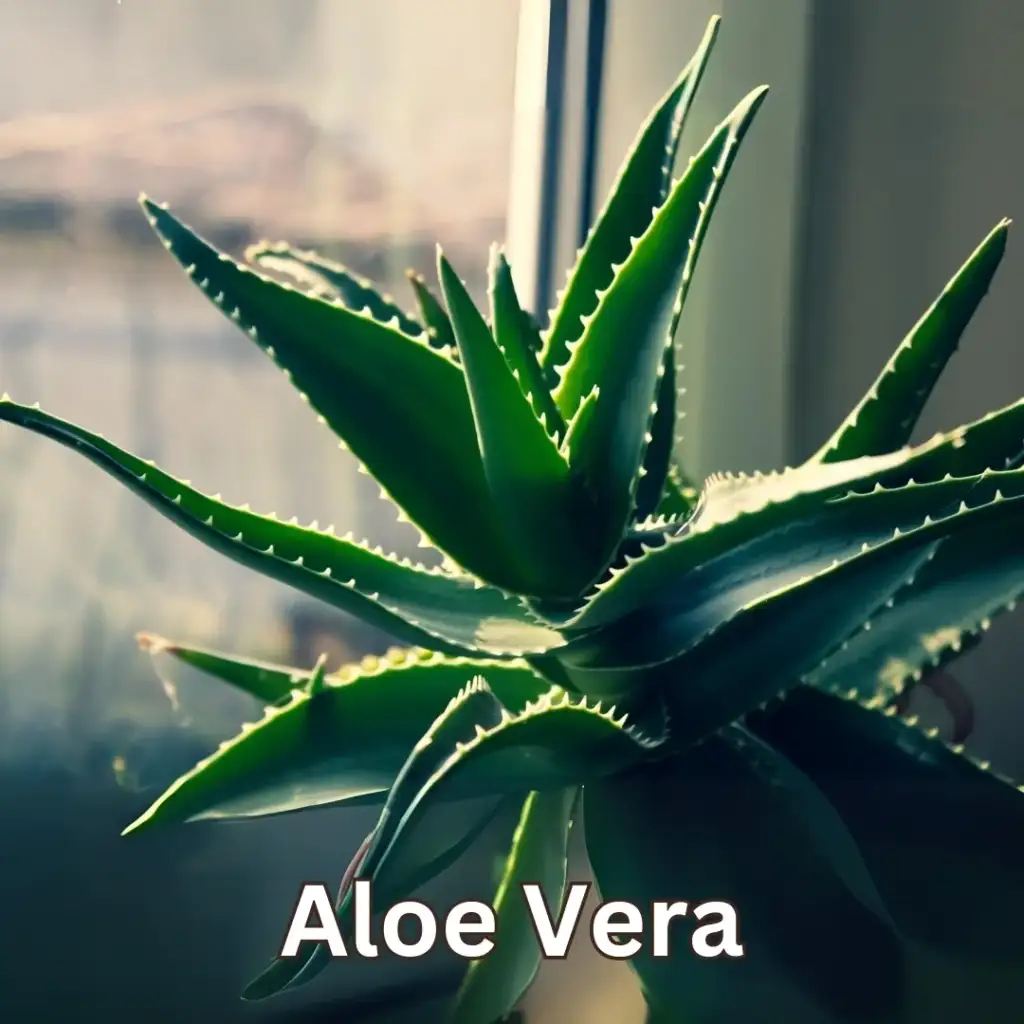
- Aloe Vera: Not only good for skin care but also effective in removing benzene and formaldehyde.
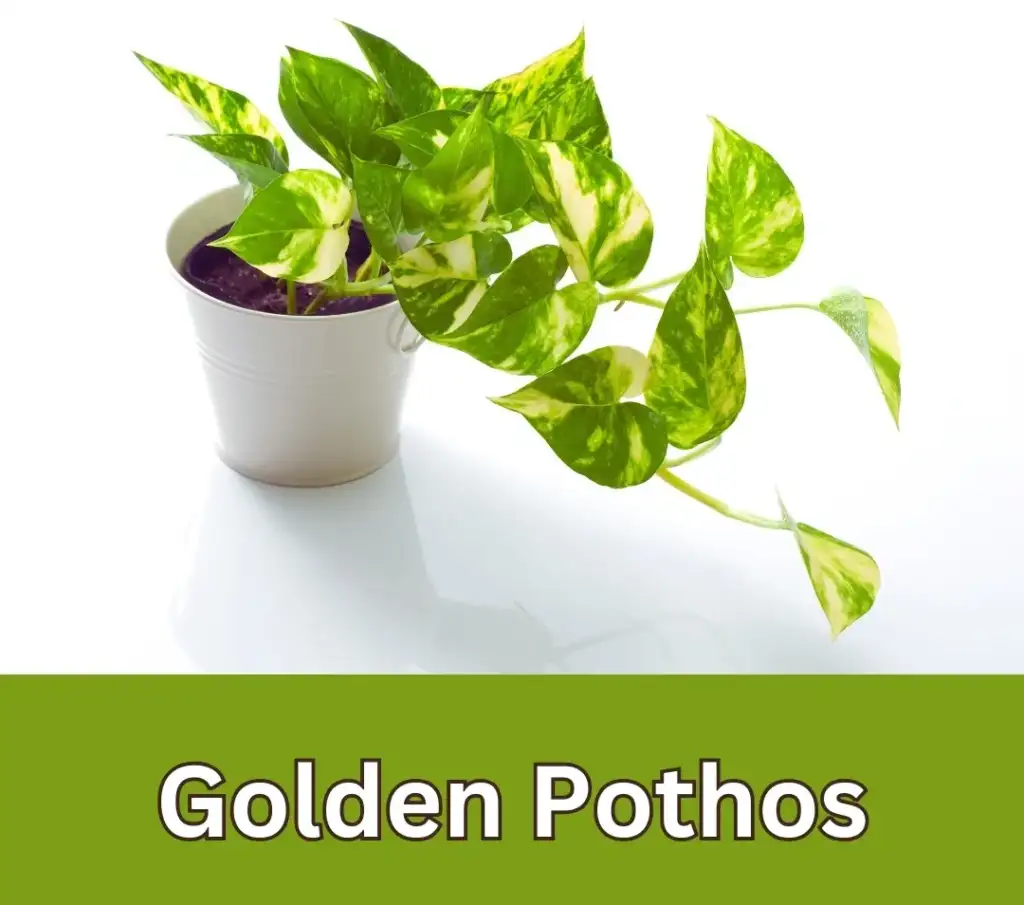
- Golden Pothos (Epipremnum aureum): Excellent at filtering toluene, xylene, and benzene.
Top Houseplants for Toxin Removal
Let’s explore some of the most effective houseplants that can improve your home’s air quality and remove specific pollutants.
1. Peace Lily (Spathiphyllum)
- Best for: Removing benzene, formaldehyde, trichloroethylene, and ammonia
- Light Needs: Low to moderate indirect light.
- Additional Benefits: Known for its elegant white flowers and easy-care requirements, the Peace Lily is highly efficient at purifying the air while adding a touch of sophistication to any room.
2. Snake Plant (Sansevieria)
· Light Needs: Can thrive in low light and requires minimal watering.
· Best for: Absorbing carbon dioxide and releasing oxygen even at night.
· Additional Benefits: This plant is ideal for bedrooms, as it can continue purifying the air while you sleep.
3. Spider Plant (Chlorophytum comosum)
· Best for: Removing formaldehyde and xylene.
. Light Needs: Bright, indirect sunlight but can tolerate low light.
· Additional Benefits: Great for beginners, spider plants grow quickly and are very forgiving, even if you forget to water them.
4. Aloe Ver
· Best for: Removing benzene and formaldehyde.
· Light Needs: Bright, indirect sunlight.
· Additional Benefits: Besides purifying the air, Aloe Vera is also famous for its medicinal properties and is commonly used to treat burns and skin irritation.
5. Golden Pothos (Epipremnum aureum)
· Best for: Filtering toluene, xylene, and benzene.
· Light Needs: Low to medium light, making it very versatile.
· Additional Benefits: Golden Pothos is extremely easy to care for and can thrive in a range of environments, from hanging baskets to tabletop planters.
The Health Benefits of Indoor Plants
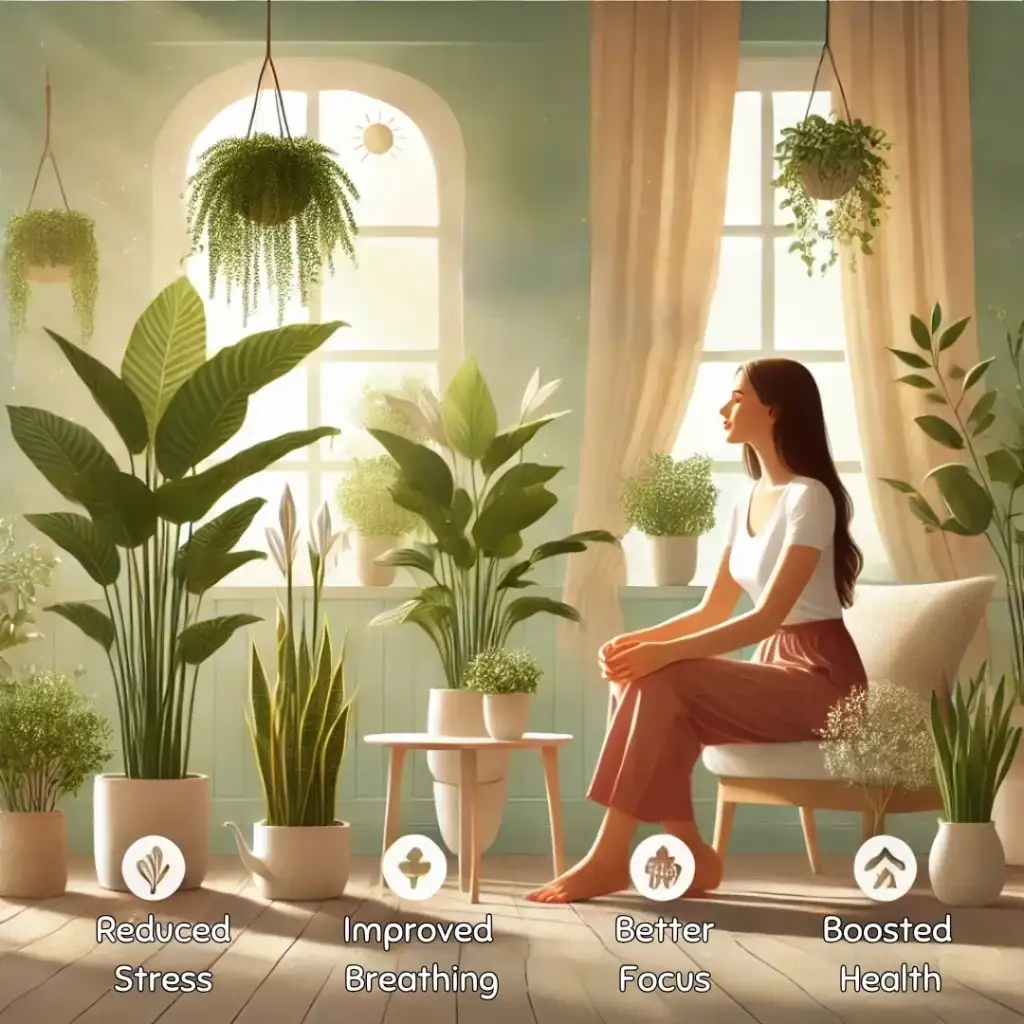
Having houseplants doesn’t just improve the air quality; it also impacts our overall health in multiple ways:
- Reduced Stress and Anxiety: Studies show that simply being around plants can reduce stress levels, lower blood pressure, and improve mood. The color green has a calming effect, and plants help create a more relaxed environment.
- Enhanced Concentration and Productivity: In workspaces, plants have been shown to boost concentration and productivity, thanks to improved air quality and the psychological benefits of a greener, natural environment.
- Better Respiratory Health: By increasing humidity, plants can alleviate respiratory discomfort, especially in dry climates or during winter when indoor heating reduces moisture in the air.
- Boosted Immune System: Cleaner air and reduced exposure to VOCs can help improve your body’s immunity, as your respiratory system won’t be as compromised by pollutants.
Creating an Indoor Jungle: Tips for Success
While houseplants are generally low maintenance, a few tips can ensure they thrive and continue purifying your air effectively.
1. Choose Plants Based on Your Space and Lighting Conditions:Not all plants thrive in low light. Snake plants and pothos are great for low-light areas, while plants like Aloe Vera require more sunlight.
2. Mind the Soil Quality: Quality soil will help your plants grow well and support beneficial microorganisms. Choose a potting mix that drains well but retains enough moisture.
3. Watch for Overwatering: Most indoor plants suffer more from overwatering than underwatering. Check the soil moisture before watering and be mindful of the specific needs of each plant species.
4. Dust the Leaves: Dust can clog the pores of plant leaves, reducing their efficiency at absorbing toxins. Regularly dusting the leaves can help them breathe better.
5. Rotate Your Plants: Every few weeks, rotate your plants to ensure they grow evenly and receive sunlight from all directions.
6. Add a Humidifier for Dry Air: If you live in an extremely dry climate or use indoor heating frequently, adding a humidifier can prevent plants from drying out and increase the air’s overall moisture content.
Transform Your Space with Clean, Green Air
Incorporating houseplants into your living spaces offers more than aesthetic appeal. They bring nature indoors, promote mental well-being, and most importantly, help eliminate harmful toxins from the air. As NASA’s study and subsequent research have demonstrated, certain plants are capable of purifying indoor air and reducing pollutants that can affect our health over time.
Consider adding a few of these beneficial plants to your home, whether it’s a peace lily by your window, a snake plant by your bedside, or an aloe vera on your kitchen counter. Over time, you may notice a difference in both the air quality and the overall ambiance of your home.

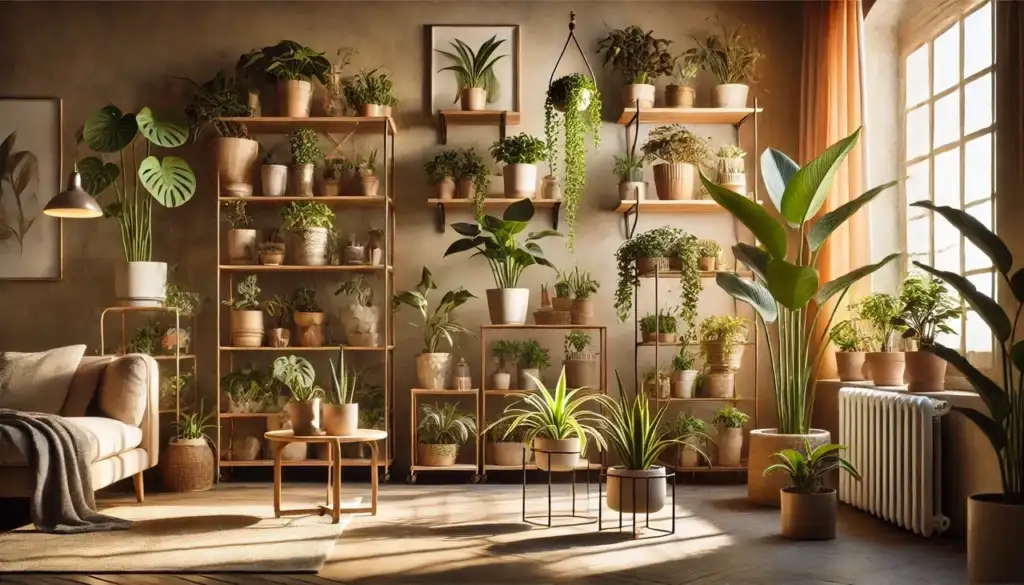
Houseplants bring color and vibrancy to any room. Decorators often use a variety of houseplants, placing them on shelves, hanging them from the ceiling, positioning them on window sills, and arranging planters on the floor to define spaces and add interest.
Adding houseplants to your home can be a simple yet powerful step toward healthier living. These plants not only improve air quality but can also enhance your mental and emotional well-being. Studies have found that individuals surrounded by indoor greenery often experience reduced stress, improved focus, and heightened creativity. Plants serve as natural mood boosters and can add a sense of calm and tranquility to any space.
Furthermore, incorporating a variety of plants suited to different parts of your home can enhance the air-purifying effects. Place Peace Lilies in the living room where they can filter common toxins, while snake plants in the bedroom continue to release oxygen at night, fostering a restful environment. Don’t overlook small spaces like the bathroom, where aloe vera can thrive while helping to remove moisture-loving toxins.
For those new to houseplants, starting small can be effective. You don’t need to create a full indoor jungle overnight; adding a few key plants and gradually learning about their care can yield significant benefits. As you develop your indoor garden, you may discover that tending to plants becomes a rewarding, therapeutic activity, grounding you in the present moment while creating a sanctuary within your home.
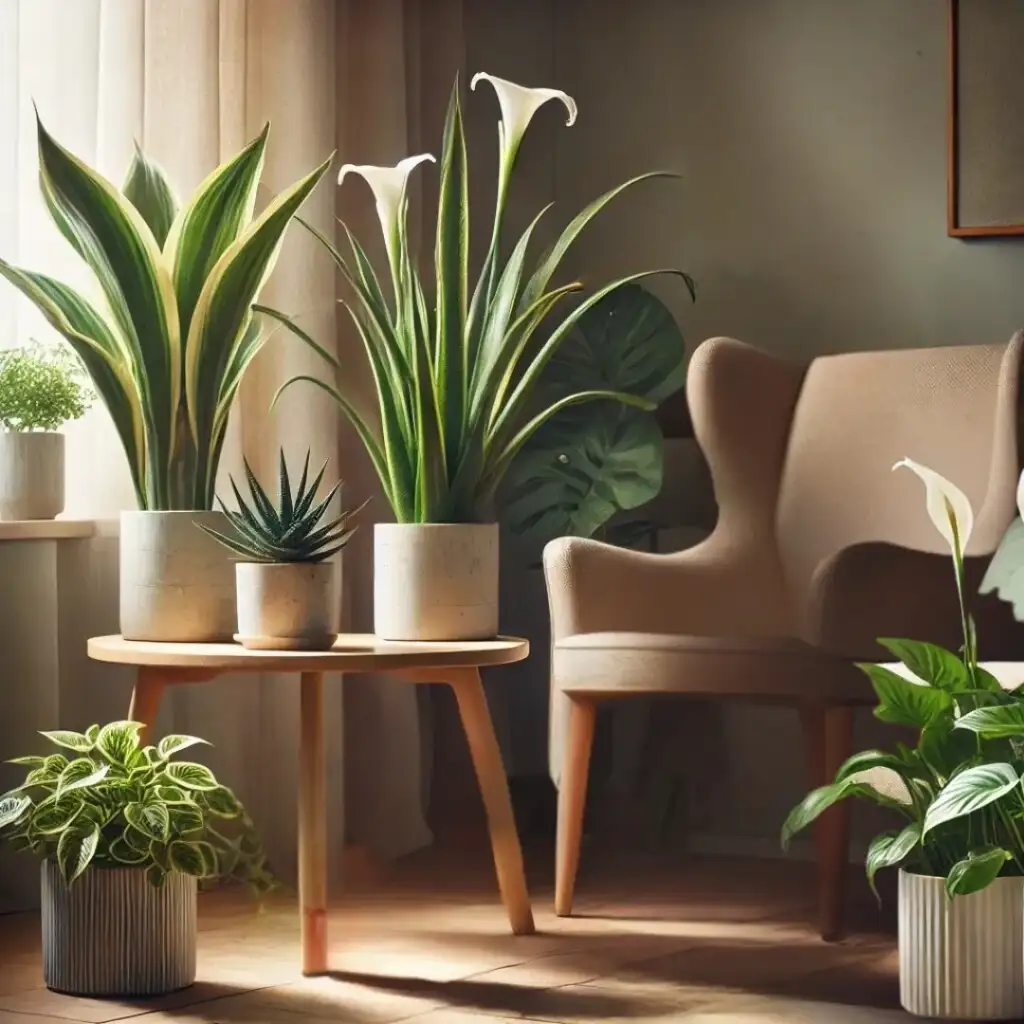
By taking these small steps, you’re investing in a cleaner, greener environment that enhances the health and comfort of your living space. So, choose a few houseplants, place them where they can thrive, and let nature work its magic in transforming your home into a haven of fresh, toxin-free air.
Here is an image featuring a cozy indoor scene with popular air-purifying houseplants like the peace lily, snake plant, golden pothos, aloe vera, and spider plant, arranged in a bright, inviting space.