The Cavendish banana is the most popular, making up 99% of banana exports.
The Banana Fungus Crisis: What You Need to Know
Bananas are one of the world’s most produced and consumed fruits, with over 1,000 different varieties.
Did You Know Bananas Are the Most Logged Food on MyFitnessPal?
Bananas have claimed the top spot as the most logged food among MyFitnessPal users. But there’s more to know about this beloved fruit—especially the Cavendish banana, which is the yellow variety you often see in grocery stores. Right now, it’s under serious threat from a global spread of a new strain of fusarium wilt, Tropical Race 4 (TR4), a fungus also known as “Panama disease”. TR4 is attacking banana crops around the world thus making it difficult to grow new Cavendish bananas, putting the future of this popular fruit at risk.
The Cavendish isn’t the first banana type to face this issue. In the 1950s, a similar disease wiped out the previously popular Gros Michel banana, forcing a shift to the Cavendish. Now, researchers and scientists are working hard to protect Cavendish bananas from meeting the same fate. They’ve identified certain genes in the TR4 fungus that could hold the key to developing disease-resistant bananas. But if a solution isn’t found, a new go-to banana variety might become necessary.
Scientists are urgently searching for ways to combat TR4, including developing disease-resistant banana varieties. But does this mean you should stop eating bananas? Not at all! TR4 hasn’t impacted the bananas available in stores, so you can keep enjoying them in moderation.
How Many Bananas Should You Eat in a Week?
Speaking of moderation, how many bananas are ideal per week? According to registered dietitian Kelsey Costa, the recommended intake depends on your personal health needs, but generally, one to two bananas per day is a safe amount for most people.
The exact number of bananas you should eat depends on your health goals and dietary needs. While one to two medium bananas per day is safe for most adults, those with certain health conditions, like kidney disease, may need to limit their intake due to the high potassium content. Likewise, anyone on blood pressure or heart medications should talk to their doctor before significantly increasing banana intake.

Bananas are Deliciously Healthy
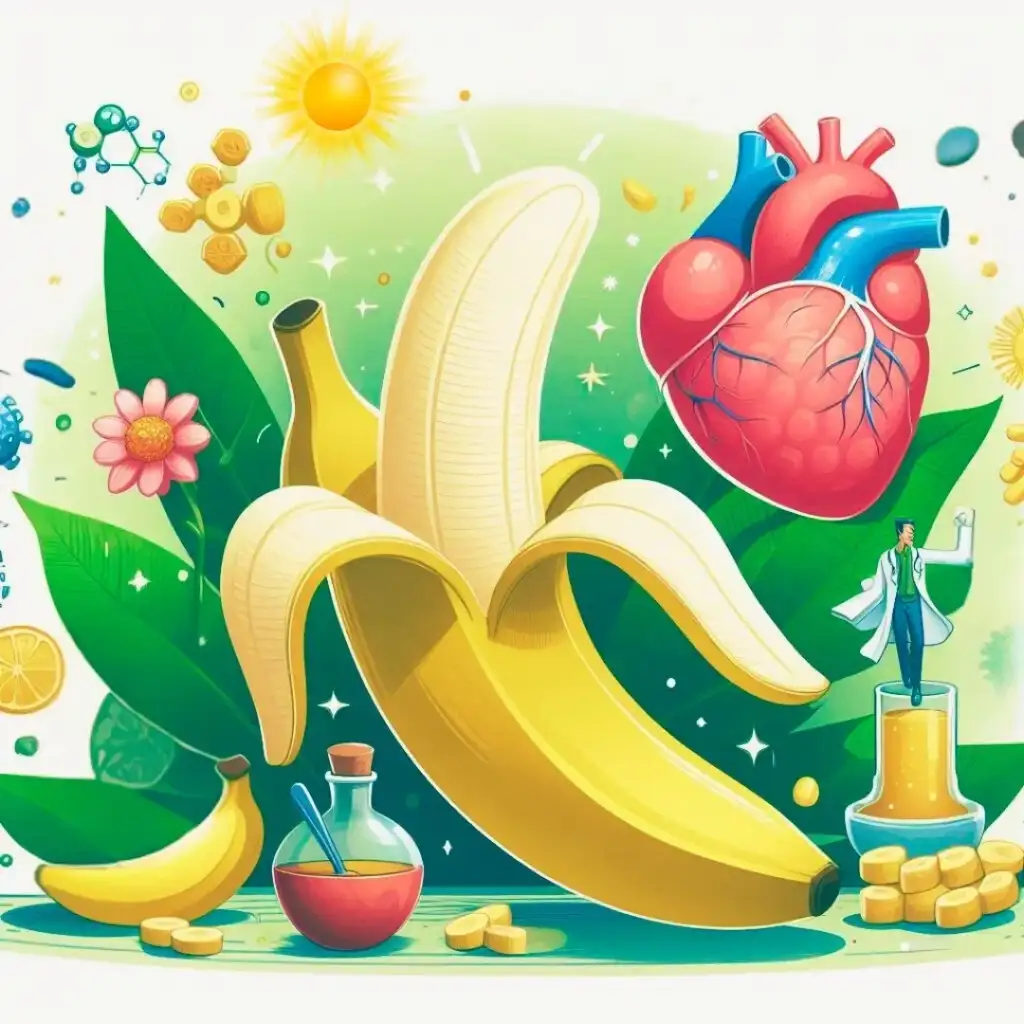
Bananas are widely recognized for their numerous health benefits. They’re nutrient-dense and contain vitamins, minerals, and bioactive compounds that support overall wellness. Bananas are packed with these healthy benefits:
- Chronic disease prevention: Bananas are rich in bioactive compounds. They include antioxidant flavonoids and polyphenols. These may help prevent type 2 diabetes, heart disease, and cancer.
- Support heart health and replenish electrolytes: Bananas are high in electrolytes like potassium and magnesium. These can help lower blood pressure and reduce heart disease risk. Also, bananas can help replace these electrolytes lost in diarrhea or vomiting.
- Promote gut and metabolic health: Unripe and less ripe bananas are rich in fibers like pectin and resistant starch. These fibers aid digestion, bowel movements, and blood sugar control. They also act as prebiotics, nourishing good gut bacteria. A healthy gut microbiome further aids digestion. It may also support immunity, brain health, and weight management.
Recent observational research found that people with high blood pressure may lower their death risk by eating bananas 3 to 6 times a week. This is compared to those who eat them less than once a month. Increasing beyond this range didn’t offer additional benefits.
Are Bananas High in Sugar? Are They Still a Healthy Choice?
Bananas contain about 15 grams of naturally occurring sugar per medium banana, comparable to other fruits like oranges and blueberries. Unlike added sugars found in sweets, the natural sugars in bananas come with fiber, potassium, and other nutrients that contribute to a balanced diet and support heart health. While those managing blood sugar levels need to be mindful of their intake, bananas can be part of a healthy diet as they are low in sodium, rich in fiber, and contain only about 110 calories per medium fruit.
Research also shows that eating bananas doesn’t cause more weight gain than consuming other fruits, so they remain a great snack option for those looking to maintain a balanced, healthy lifestyle. Enjoy your bananas and try new ways to incorporate them into your meals and snacks!
Remember, while bananas are nutritious, banana-flavored products and desserts often lack the benefits of fresh bananas. To maximize the benefits, stick to whole bananas or healthy recipes that incorporate them.
Don’t Rely on Bananas Alone: The Case for Dietary Variety
The World Health Organization (WHO) recommends that adults consume at least five servings of fruits and vegetables daily. Low fruit and vegetable intake is linked to an increased risk of chronic diseases, which contributes to millions of deaths each year. Moreover, focusing too much on one type of food—like bananas—can crowd out other essential nutrients found in other fruits and vegetables.
Eating a variety of produce provides a more balanced nutrient profile and reduces the risk of nutrient imbalances. Studies suggest that people who consume diverse fruits and vegetables may be at a lower risk of chronic diseases, including type 2 diabetes and certain cancers. This diversity may also improve diet quality, nutrition, and even longevity in older populations.
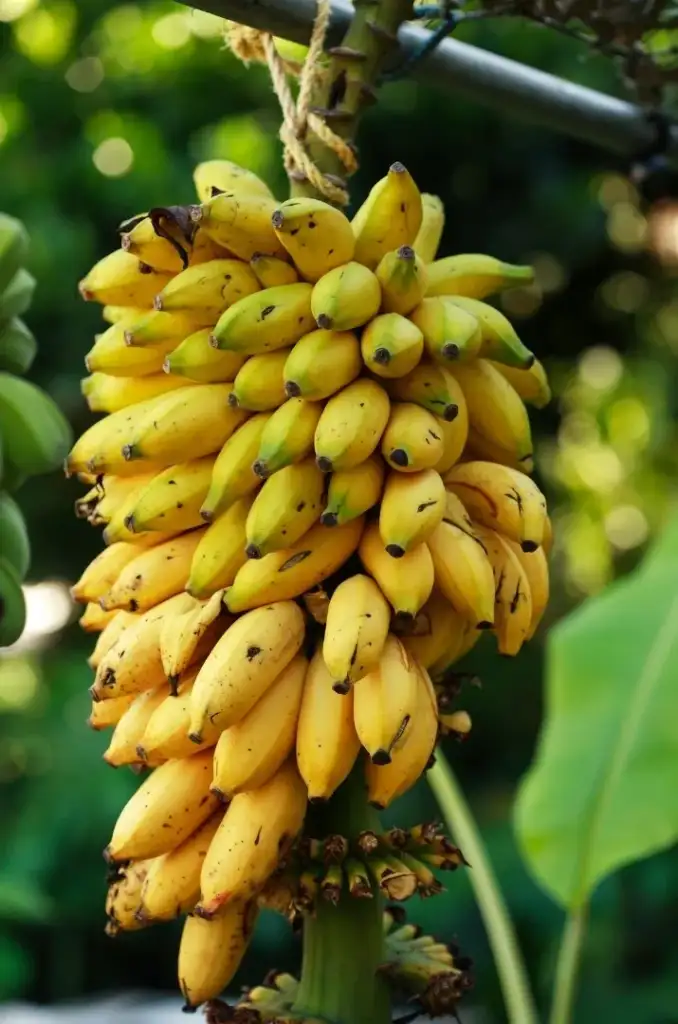
An interesting takeaway from the banana fungus crisis is that expanding the variety of bananas we consume could help the industry become more resilient. Choosing different types of bananas, such as red bananas or plantains, and opting for Fairtrade or organic options may help support biodiversity, eco-friendly practices, and the economic stability of small-scale farmers worldwide.
This approach may promote eco-friendly practices and reduce the world’s dependence on a single type of banana crop, which in turn could help protect biodiversity and the environment.

Healthy Fruits to Consider Adding to Your Diet
Looking to add some variety to your daily fruit intake? Here are some nutritious options that can complement bananas in your diet:
· Blueberries:High in antioxidants and fiber.
· Kiwi: Packed with vitamin C, digestive enzymes, and fiber.
· Pomegranates:High in potassium and antioxidants.
· Oranges:Rich in vitamin C for immune health and skin protection.
· Papaya:Contains vitamins A and C and digestive enzymes that aid gut health.
· Strawberries:High in vitamin C, manganese, and antioxidants.
· Apples:Great source of fiber (especially pectin) and vitamin C.
· Cherries:Rich in fiber, vitamin C, and antioxidants with anti-inflammatory benefits.
· Avocados:Unusual as a fruit, but full of healthy fats and fiber.
For those who like tracking their diet, try logging daily servings in an application on your phone to assess the variety of fruits you consume and find new ways to diversify.

The Bottom Line: Variety and Moderation Are Key
Bananas are a nutritious and convenient snack, rich in essential nutrients that support heart health, gut health, and chronic disease prevention. However, maintaining a diverse diet that includes a range of fruits and vegetables is crucial for overall wellness. Expanding your fruit choices can also support sustainable agricultural practices and reduce our dependency on a single banana variety.
While you enjoy bananas in moderation as part of a balanced diet, consider including other fruits in your daily intake to enhance your nutrient intake and support long-term health. This approach benefits both your well-being and the planet by promoting dietary diversity and reducing pressure on single-crop industries.
Here is a delicious recipe that you can make with bananas!

Banana Protein Pancakes
These are delicious and healthy high protein pancakes made with protein powder, oats, bananas, eggs, milk, and spices. They are light and fluffy, easy to make, and packed with 37g of protein, complex carbs, and fiber for a well-balanced breakfast. Customize with your own toppings!
Prep Time 10 minutes Cook Time 10 minutes Total Time 20 minutes
Servings 1 (4-5 pancakes)
Ingredients
- 1/2 cup organic rolled oats
- 1/4 cup vanilla protein powder (30 grams)
- 1 tablespoon coconut flour
- 1 teaspoon of non-GMO baking powder
- 1 teaspoon cinnamon or pumpkin pie spice
- 1/8 teaspoon salt
- 1/2 small-medium ripe banana
- 1 large egg
- 1/4 cup milk * (see notes based on protein powder used)
- oil or butter for cooking
- Optional toppings: maple syrup, bananas, nuts, berries, Lily’s dark chocolate chips, nut butters, honey
Instructions
1. Make the oat flour. Add rolled oats to your blender and blend for 10-15 seconds until it is broken down into a flour-like consistency.
2. Combine your dry ingredients. Add oat flour, protein powder, coconut flour, baking powder, cinnamon, and salt in a small bowl and mix well to combine.
3. Mix your wet ingredients. In a separate medium bowl, mash your bananas until smooth. Add your egg, and milk and mix well to combine. Add your dry ingredients to your wet ingredients and mix until they are absorbed and any lumps are gone. Try not to overmix. The batter should be thick. Let the mixture sit for 5 minutes.
4. Cook. Heat up a large nonstick skillet or griddle over low to medium heat. Once hot, add cooking fat and let it warm up. Using a 1/4 cup as a scoop, form into equal size pancakes. It makes about 5 (you may need to cook in batches depending on how big your pan is). Cook for 3-4 minutes until small bubbles start to form on the outside. There won’t be a lot of bubbles. Flip and cook for another 1-2 minutes until golden brown.
5. Enjoy! Top with your favorite toppings and enjoy!
Notes
This recipe works with either whey protein powder or plant-based protein powder. You will have to adjust the recipe ever so slightly, but both outcomes are delicious.
- Whey protein – use 1/4 cup protein powder (30 grams) and 1/4 cup milk. Using whey will give you a slightly dryer pancake.
- Plant-based protein – use 3 tablespoons protein powder (30 grams) and 1/3 cup + 1 tablespoon milk. This will be a little moister, but still fluffy!
Nutrition for Plant-Based Protein:
Serving: 1serving (makes 4-5 pancakes)
Calories 532 | Protein 34g | Carbohydrates 66g | Fat 15g
Nutrition for Whey Protein
Serving: 1serving (makes 4-5 pancakes)
Calories: 514 | Carbohydrates: 63g | Protein: 36.7g | Fat: 14g | Saturated Fat: 5.1g | Fiber: 11g | Sugar: 16
Both nutrition breakdowns do not include any oil for cooking. Nutrition will vary based on the protein powder used.