

I still recollect my initial experience inside an online casino lobby. The collection of thumbnails, phrases like RTP and volatility I’d never heard before, and flashing jackpot tickers all overwhelmed me at once. After a few months poking around websites like Win Airlines Casino, I realized that the learning curve is a lot gentler than it first appears. Every game—whether a simple slot or a strategy-heavy poker variant—runs on a few of core ideas anyone can learn. I’m going to explain what actually happens behind those colorful screens, how the distinct game types function, and what to look for before you put down your first bet. This guide removes the jargon and offers you a practical foundation so you can select games with confidence and appreciate the ride without questioning every click.
Alternative Games and Immediate Prizes
Aside from slots and table games, I found a category that seldom gets the spotlight but offers a totally different pace. Specialty games include scratch cards, keno, and bingo variants. They draw me when I desire a quick, no-frills session where the outcome is displayed in seconds. There’s no strategy to master, and the rules are usually summed up in a simple sentence. I view these games as a light diversion rather than a central part of my play, but they hold a charm that makes me coming back. The instant gratification of uncovering a virtual card or watching numbered balls drop is genuinely satisfying, and the buy-in amounts are generally low.
Scratch Cards
Online scratch cards simulate the tactile pleasure of peeling away a silver coating, but with a easy mouse drag or tap. I pick a card, expose the hidden symbols, and instantly learn if I’ve won a prize. The payout table is fixed, and the odds are commonly displayed in the game rules. I consider scratch cards to be the purest form of instant-win entertainment. There’s no preparation, no bonus round, just a one reveal. The themes range from cartoon animals to luxury lifestyles, and the top prizes can be unexpectedly large. I maintain my sessions short and utilize them as a break between longer strategy games.
Keno
Keno
Keno is like a relaxed lottery draw that I can enjoy at my own pace. I pick a set of numbers, usually between one and ten, from a board of eighty. The game then picks twenty random numbers, and I get paid based on how many I hit. I appreciate the ritual of picking my lucky numbers, even though the outcome is purely random. The paytable changes with the number of spots I choose, and hitting all of them can yield a large multiplier. The house edge in keno is higher than in most table games, so I view it as a form of entertainment rather than a value play. I budget a small amount and enjoy the slow reveal of each drawn number.
Bingo
Online bingo rooms have a unexpectedly social atmosphere, much like live dealer games. I get one or more cards, each printed with a grid of numbers, and then watch as the caller announces numbers in rapid succession. The software automatically marks off matches on my card, so I never miss a daub. The first player to achieve a specified pattern wins the prize. I’ve played ninety-ball and seventy-five-ball variants, and each has its own rhythm. The chat window is often animated, with players congratulating each other and sharing small talk. That communal feeling makes bingo a friendly, low-pressure environment where I can relax without focusing on complex betting decisions.
Real-Time Dealer Games: Delivering the Casino Floor to Your Screen
I never fully appreciated online table games until I explored a live dealer lobby. The contrast is striking. In place of a computer-generated animation, you watch a real human dealer positioned at a physical table, shuffling cards or rotating a wheel. A high-definition video stream delivers the action, and you operate a digital interface to set your stakes. The social element caught me off guard. I can chat with the dealer and at times with other players using a messaging panel, which transforms the session feel more like a shared experience. The pace is slower than standard digital tables, but that gave me more time to consider my bets and enjoy the ambience.
The Mechanics of Live Games

The technology behind live dealer games merges of studio production and real-time data integration. The table is equipped with cameras that film every angle, and optical character recognition software reads the cards or the roulette result instantly. That feed is then relayed to your screen, where your stake is processed automatically. I’ve realized that the dealers are trained professionals who obey strict guidelines, and the whole operation is supervised by a pit boss the same as a land-based casino. The gameplay seems highly transparent because I can see every shuffle and spin directly. No RNG is used for the card order; the physical deck determines everything.
Top Live Casino Tables
Live casinos typically offer a core selection of blackjack, roulette, and baccarat tables, but I’ve also discovered game show hybrids that combine wheel-spinning mechanics with bonus multipliers. The busiest tables fill up quickly, so I often pick a less crowded session to secure a spot. Live blackjack tables frequently permit unlimited players as each participant is dealt the same starting hand and then makes independent decisions. Live roulette is captivating because the camera zooms in on the ball drop, and the suspense grows together. I advise exploring a few different live games to see which atmosphere suits you. The tempo and dealer personality can differ significantly, and selecting the best option renders the gameplay much more enjoyable.
Traditional Table Games: Strategy and Tradition
When I desired a break from the blinking lights of slots, I moved toward table games. These are the digital versions of the classics you’d find on a physical casino floor: blackjack, roulette, baccarat, and several poker variants. What captured my interest was the element of control. Unlike slots, where you’re a passenger, table games allow you to make decisions that affect the outcome. I realized that even a basic understanding of the rules can cut the house edge significantly. The strategic depth changes from game to game, but I learned that learning just one or two table games deeply gave me a much stronger sense of involvement and a genuine appreciation for the mathematics behind each hand or spin.
Blackjack
Blackjack became my favorite table game because the rules are simple to learn but the strategic ceiling is high. The goal is to beat the dealer by having a hand total closer to 21 without exceeding it. I started by memorizing a basic strategy chart that tells you when to hit, stand, double down, or split based on your cards and the dealer’s visible card. The difference it made was immediate. I stopped making gut decisions and started playing with a mathematically sound approach. I still lose plenty of hands, but the house edge drops to well under one percent when you follow basic strategy. That tight margin makes blackjack one of the most player-friendly games in any online casino library.
Roulette
Roulette is pure anticipation contained within a spinning wheel. I put my chips on a number, a colour, a section, or a combination of bets, and then I observe the ball bounce until it settles. The range of betting options means you can adjust your risk level up or down. I often commence with even-money outside bets like red or black, which encompass almost half the wheel and pay out at one-to-one. European roulette, with its single zero, gives the house a lower edge than American roulette, which includes a double zero. I always check which version I’m playing because that extra pocket changes the long-term odds noticeably. The game benefits patience, and I savour the ritual of each spin.
Baccarat
Baccarat daunted me until I understood it’s essentially a coin-flip game with a veneer of sophistication. You stake on the player hand, the banker hand, or a tie. The dealer then hands out two cards to each side according to a fixed drawing rule, and the hand closest to nine wins. There’s no player skill involved after the bet is placed, which I found oddly liberating. The banker bet carries a slightly lower house edge than the player bet, so I stick to that option most of the time. The tie bet seems tempting because of the high payout, but the house edge on it is steep. ce contenu I avoid it and let the game’s natural rhythm guide me along.
Poker Variations
Card games you find in an online casino are not the same as the poker you engage in against friends around a kitchen table. Options like Casino Hold’em, Caribbean Stud, and Three Card Poker set you against the dealer, not against other players. I had to unlearn my bluffing instincts because no one is there to bluff. Instead, I focus on the hand rankings and the specific paytable of each variant. Some games reward an ante bonus for strong hands regardless of the dealer’s outcome. I always review the rules carefully because the optimal strategy can differ drastically between variants. Once I shifted my mindset, I discovered these fast-paced games to be a rewarding middle ground between slots and full table strategy.
I seldom play a game for real money before I’ve read the paytable and the rules, and I frequently test it in demo mode first. Every game has a small information icon that opens a detailed explanation of symbol values, bonus triggers, and betting options. I used to skip this step and regretted it when I accidentally triggered a feature I didn’t understand. Now I spend five minutes reading the rules, and that small investment pays off by preventing costly mistakes. For table games, I study the basic strategy and practice with free chips until the decisions feel automatic. This preparation makes me feel in control and allows me to enjoy the game without second-guessing every move.
Using Free Play Modes
The free play or demo mode that most online casinos offer is a gift I wish I’d used more when I started. It lets me spin the reels or play hands with virtual credits, so I can learn the mechanics without any financial risk. I test new slots to see how often the bonus triggers, and I practice blackjack hands to internalize the strategy chart. The experience is identical to the real-money version, except the wins and losses are imaginary. I use free play to shortlist the games I genuinely enjoy before I commit any of my bankroll. It’s saved me from wasting money on titles that looked flashy but had gameplay that didn’t suit my taste.
I put together this guide from the questions I had when I first entered an online casino lobby, and I believe it gives you the same insight it gave me. Every game, from the simplest scratch card to the most complex poker variant, becomes less intimidating once you comprehend the underlying mechanics. The key is to tackle the experience with interest, a clear budget, and the readiness to learn the rules before you bet a cent. The library at a well-rounded platform like Win Airlines Casino offers enough diversity to keep you exploring for months, but the real worth lies in knowing exactly what you’re playing and why. Equipped with that knowledge, you can avoid the confusion and get directly to the fun.
How Online Casino Games Operate
When I first dug into the mechanics of online casino games, I was relieved to learn that they depend on a open piece of software called a random number generator. This algorithm constantly generates countless number sequences per second, even while nobody is playing. The moment you press the spin button or a card is dealt, the system pulls the latest number, translates it into a game outcome, and presents it on your screen. Reputable platforms have their generators examined by independent labs to confirm that the results are genuinely random and are unable to be manipulated. Understanding this removed the suspicion I once had after a losing streak. The machine is not trying to get you; it simply obeys a mathematical model that guarantees every outcome is independent of the previous one.
Random Number Generators
The random number generator is the invisible engine behind every spin, dice roll, and card shuffle you come across online. Without it, digital games would be foreseeable and unfair. The generator uses a seed number, often derived from volatile physical inputs like atmospheric noise, to kick off a complex mathematical formula. That formula then churns out a stream of numbers that have no discernible pattern. I’ve spoken with technical support teams at several casinos, and they always stress that the generator is regularly audited. When you play at a licensed brand like Win Airlines Casino, you’re essentially trusting a certified piece of software that’s been reviewed to make sure it replicates the randomness of a physical deck or a mechanical reel.
Return to Player
One term you’ll see everywhere is return to player, often abbreviated as RTP. I like to think of it as the theoretical percentage of all wagered money that a game will return to players over a long stretch. If a slot has an RTP of 96%, it does not mean you’ll receive 96% of your session budget. It means that across millions of spins, the game is programmed to return 96% of total bets and keep 4% as the house edge. This figure is a long-term average, and short sessions can fluctuate wildly above or below it. I always check the RTP before I commit to a game because it gives me a general sense of how much value the game provides compared to others in the same category.
Getting Started Responsibly
Before I actually place a real-money bet, I set a few firm ground rules for myself. I choose a loss limit that I’m comfortable with and a win goal that signals me when to step away. I hold that money in a separate account or e-wallet so I never use funds meant for bills or essentials. I also view every session as a paid entertainment experience, not a way to make money. This mental shift removed the pressure I used to feel when I lost. I now view the games as a service I pay for, and any win is a bonus. The most enjoyable sessions are the ones where I follow my pre-set boundaries and walk away without regret, regardless of the balance.
Creating a Budget
I’ve found that a concrete budget is the single most powerful tool for keeping online casino play healthy. I determine an amount I can afford to lose entirely, and I never exceed it. I also split that budget into smaller session stakes so I don’t burn through it in five minutes. When I play at Win Airlines Casino, I use the deposit limit tools to set a recurring cap. This stops me from making impulsive top-ups after a losing streak. I also put a timer on my phone because it’s easy to lose track of hours when you’re absorbed in a game. The combination of a financial limit and a time limit holds the experience in a space where it remains fun and never becomes a source of stress.
Learning the Rules First
Slots: The Most Preferred Choice
Slots dominate every online casino lobby, and I rapidly understood why https://winairlinescasino-be.eu/fr-be/. They demand no strategy, load instantly, and provide a sensory blast of animations, sound effects, and bonus rounds. Beneath the surface, though, there is a lot of variety. I once assumed all slots were the same, but I was wrong. The number of reels, paylines, and special symbols can greatly change how a game behaves. Some slots dispense frequent small wins, while others stay silent for dozens of spins before triggering a massive feature. Exploring the differences between classic three-reel machines, five-reel video slots, and progressive jackpots completely changed the way I select a game when I settle in to play.
Classic Slots
Classic slots take me back to the old mechanical fruit machines you might see in a vintage film. They typically have three reels, a single payline, and symbols like cherries, bells, and red sevens. I consider them calming because there’s no information overload. You spin, and you simply line up three matching symbols on the centre row or you don’t. The gameplay is pared back to its essence, and the RTP on these games remains steady. While they are without the cinematic cutscenes of modern titles, I regularly recommend them to beginners who desire to understand how reel combinations work without being distracted by cascading symbols, expanding wilds, or multi-level bonus rounds that might appear chaotic at first.
Video Slots
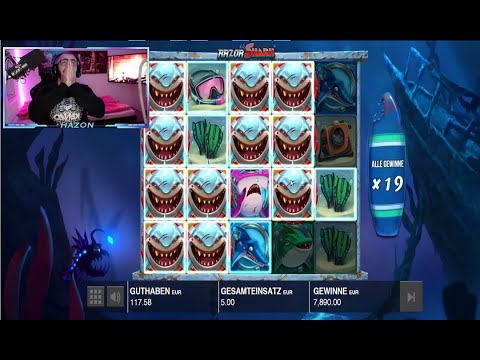
Slot machines are what many players imagine when they think about an online casino. These games offer five reels, multiple paylines, and themes that span from ancient mythology to blockbuster movies. I quickly learned that the paytable is a key resource here. It displays exactly how much each symbol combination pays and shows which icons are wilds, scatters, or bonus triggers. The true appeal of video slots occurs when you land scatter symbols to unlock a bonus round. I’ve spent entire evenings pursuing the thrill of a well-designed feature that unexpectedly multiplies a modest bet into a substantial win. The key is to read the game rules before you spin, so you know what you’re hoping for.
Bonus Rounds and Free Spins
I used to get surprised by random events on the reels until I recognized that almost every special effect is tied to a specific symbol combination. Scatter symbols often unlock free spins, where you receive a set number of spins without deducting from your balance. During these free rounds, additional modifiers like multipliers, expanding wilds, or sticky symbols can appear. I’ve noticed that some games even let you retrigger the free spins, extending the bonus round. Understanding that these features aren’t random glitches but deliberate design elements helped me appreciate the craft behind modern slots. I now seek out games that provide inventive bonus rounds because they add a layer of anticipation that maintains the experience fresh.
Jackpot Games
Progressive jackpot slots are the games that produce life-changing headlines. A small percentage of every bet placed on the game, and sometimes across a network of linked titles, feeds into a central prize pool that increases until one lucky player hits the winning combination. I handle these games with a different mindset. The base game RTP is often lower because part of the return is redirected to the jackpot contribution. That means you might encounter faster bankroll depletion if the big prize doesn’t trigger. I still spin them occasionally for the thrill, but I set a strict limit beforehand. The chance of a massive payout is real, but I never pursue it with money I can’t afford to lose.
Ochrana a licence na prvním místě
Even though RTP tells me the long-term average, volatility indicates how bumpy the ride will be. A low-volatility game pays out small wins frequently, which preserves my balance steady and lengthens my playtime. A high-volatility game may deplete my bankroll for a long stretch before delivering a large payout that compensates for the dry spell. I learned to check a game’s volatility rating, which is often listed as low, medium, or high. This single piece of information has rescued me from frustration more times than I can count. I select low-volatility slots when I want a relaxing session, and I only try high-volatility titles when I’m prepared for a bumpy ride.
Low Volatility vs. High Volatility
I’ve established a personal rule for managing volatility. On evenings when I feel like to unwind and see a film in the background, I load a low-volatility game that provides me a steady stream of modest line hits. My balance falls slowly, and I rarely sense a sharp panic. On the other hand, when I’m in the mood for risk and have a dedicated budget I’m willing to lose, I choose a high-volatility slot with a massive top prize. I acknowledge that I might face ten dead spins in a row because I realize that the bonus round, when it finally starts, could boost my stake significantly. Matching volatility to my mindset has brought a huge difference in how I sense when I exit the game.
Comprehending Odds and House Edge
I used to steer clear of thinking about the house edge because it seemed like a cold, mathematical killjoy. Over time, I realized that understanding it actually protects my bankroll and helps me choose games that fit my goals. The house edge is the automatic percentage advantage that the casino keeps over the player in any given game. It’s not a hidden fee; it’s a mathematical certainty that guarantees the operator can keep operating. When I accept that the edge exists, I stop chasing losses and start focusing on the entertainment value. I now regard the house edge as the price I bear for the thrill of playing, and I look for games that maintain that price as low as possible.
RTP vs. House Edge
RTP and house edge are two sides of the same coin. If a game has an RTP of 97%, the house edge is 3%. I’ve noted that slots list RTP, while table games often talk about the house edge directly. Knowing this, I can contrast a blackjack game with a 0.5% house edge to a slot with a 4% house edge and reach an informed choice. Neither number promises what will happen in my next session, but it informs me how much of my wagered money I can count on to lose over tens of thousands of rounds. I employ this knowledge to harmonize my play between high-volatility entertainment and low-edge strategy games, according to my mood and my session budget.